
‘People were sharing their own experiences, and it was really validating.’
This experience, however, was not a singular event. It was part of a larger trend of women experiencing postpartum depression (PPD) and other mental health challenges after childbirth. The rise of social media has played a significant role in bringing this issue to light, but it has also created a complex and nuanced landscape for understanding and addressing PPD. The rise of social media has been a double-edged sword for women experiencing postpartum depression. On one hand, it has provided a platform for women to share their experiences, connect with others, and find support.
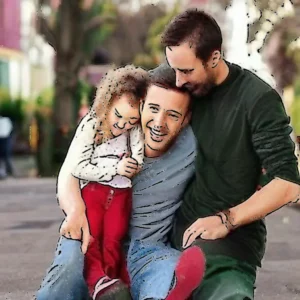
Some dads might be irritable, some might be withdrawn, and some might be emotionally distant. These are all common reactions to the new fatherhood experience. The author of the text is a father who is struggling with his emotions. He is trying to understand his feelings and how they are different from what he has been told is normal. He is also trying to find a way to express his emotions in a healthy way.
The couple’s shared values are further reinforced by their commitment to their respective families. Brunelli’s parents, who are both doctors, instilled in him a strong work ethic and a sense of responsibility. His father, Sandro, is a successful businessman, and his mother, Maria, is a dedicated doctor. Kalifatidis’ parents, both Greek immigrants, instilled in him a strong sense of community and a love for their culture. His father, Theo, is a successful restaurateur, and his mother, Maria, is a dedicated teacher.
* The author describes a Greek family with a large extended family. * The family is close-knit and supportive, with numerous uncles and aunts who are readily available to help. * The author’s parents, Sandro and Daniela, are also part of the family and provide support.

news is a contributor at DadPulse. We are committed to providing well-researched, accurate, and valuable content to our readers.