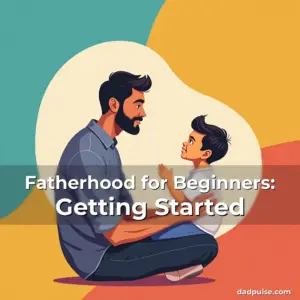

The Unseen Struggles of Modern Fatherhood: Navigating Challenges with Resilience
Fatherhood is a transformative journey that reshapes lives, identities, and priorities. For many men, becoming a father brings profound joy alongside unexpected challenges.
In today’s fast-paced world, modern fathers face unique pressures from societal expectations, work-life balance dilemmas, and evolving family dynamics. These complexities often go unspoken but significantly impact their experience as parents.
Bridging Generational Gaps Through Paternal Connection
Modern fathers frequently find themselves navigating generational divides between parenting styles and those of previous generations. This can create tension when trying to maintain traditional values while embracing new approaches.
Successful paternal connection requires understanding both past influences and current needs. It involves finding common ground without compromising core principles.
Different communication styles across age groups can lead to misunderstandings. Fathers must adapt their approach to resonate with younger generations effectively.
- Listen actively: Engage genuinely with children rather than imposing views based solely on personal experiences.
- Embrace flexibility: Recognize that what worked for your generation may not be suitable for today’s youth.
- Cultivate empathy: Understand emotional triggers by considering perspectives different from your own.
Redefining Masculinity in Contemporary Parenting
Societal norms around masculinity are shifting dramatically, presenting opportunities for redefining parental roles. Traditional expectations of stoicism are being challenged by more emotionally expressive models of fatherhood.
This evolution allows fathers to express vulnerability openly while maintaining strength. It creates space for deeper connections through shared emotions and mutual support.
Studies show that fathers who display affectionate behaviors positively influence child development outcomes. Emotional availability fosters secure attachment bonds crucial for healthy growth.
Evolving Definitions of Strength
A 2023 survey revealed that 68% of millennial fathers prioritize emotional intelligence over physical dominance as markers of strength. This reflects changing perceptions within contemporary society.
Such shifts encourage open discussions about mental health struggles among fathers. Breaking down stigma helps normalize seeking help when facing parenting-related stressors.
Navigating Work-Life Balance as a Working Dad
Work demands often conflict with family responsibilities, creating significant stress for working fathers. Balancing professional aspirations with caregiving duties becomes an ongoing challenge.
Time management strategies become essential tools for maintaining equilibrium. Prioritizing quality time over quantity ensures meaningful interactions despite busy schedules.
Employers increasingly recognize the importance of flexible arrangements. Remote work options and compressed workweeks offer viable solutions for achieving better balance.
Coping Strategies for Managing Fatherhood Stress
Fathers experiencing high levels of stress need practical coping mechanisms tailored specifically for their role. Self-care routines form the foundation of effective stress management.
Mindfulness practices such as meditation and deep breathing help regulate emotions during challenging moments. Physical activity provides natural relief from accumulated tensions.
Seeking peer support networks connects fathers with others facing similar situations. Shared experiences foster solidarity and reduce feelings of isolation.
Building Meaningful Relationships with Children
Strong father-child relationships require intentional effort beyond basic care-giving functions. Creating memorable experiences lays groundwork for lasting bonds.
Quality interaction involves active participation rather than passive presence. Engaging in activities aligned with children’s interests strengthens connection points.
Consistency in showing affection reinforces security and trust. Regular expressions of love demonstrate unwavering commitment to familial well-being.
Overcoming Common Misconceptions About Dads
Persistent stereotypes about fathers limit their potential contributions to child-rearing processes. Challenging these misconceptions opens doors for more inclusive parenting approaches.
Myths surrounding strict discipline versus nurturing guidance hinder progress toward balanced parenting styles. Recognizing diverse capabilities empowers fathers to explore varied techniques.
Educational resources now emphasize collaborative parenting models where both parents share equal responsibility. This shift encourages partnership rather than division in raising children.
The Role of Technology in Shaping Modern Fatherhood
Digital advancements present dual-edged impacts on father-child relationships. While facilitating connectivity, they also introduce distractions that compete for attention spans.
Smartphone usage patterns affect how fathers engage with offspring. Limiting screen time during critical developmental stages promotes healthier interpersonal engagement.
Online platforms provide access to parenting communities and educational materials. Utilizing digital tools wisely enhances knowledge sharing among fathers globally.
Financial Responsibilities and Economic Pressures
Meeting financial obligations remains one of the most pressing concerns for fathers everywhere. Budgeting skills become vital components of responsible parenthood.
Unexpected expenses related to childcare and education add layers of complexity. Developing contingency plans helps manage unforeseen costs effectively.
Investment in long-term financial stability protects against future uncertainties. Planning for retirement and emergency funds contributes to overall peace of mind.
Support Systems That Empower Effective Fathering
Robust support networks greatly enhance a father’s ability to fulfill his parenting duties successfully. Family members play crucial roles in providing assistance during demanding periods.
Professional counseling services address complex issues requiring expert intervention. Accessible healthcare resources ensure timely resolution of physical or psychological challenges.
Community programs designed specifically for fathers offer structured learning environments focused on skill development relevant to modern parenting realities.
Conclusion
Fatherhood presents a multifaceted journey filled with rewards and challenges alike. Embracing its complexities with openness and resilience paves way for fulfilling experiences.
By acknowledging difficulties head-on and adopting adaptive strategies, fathers can cultivate enriching relationships that benefit everyone involved. Continuous learning and self-improvement remain key factors in successful fathering endeavors.

news is a contributor at DadPulse. We are committed to providing well-researched, accurate, and valuable content to our readers.