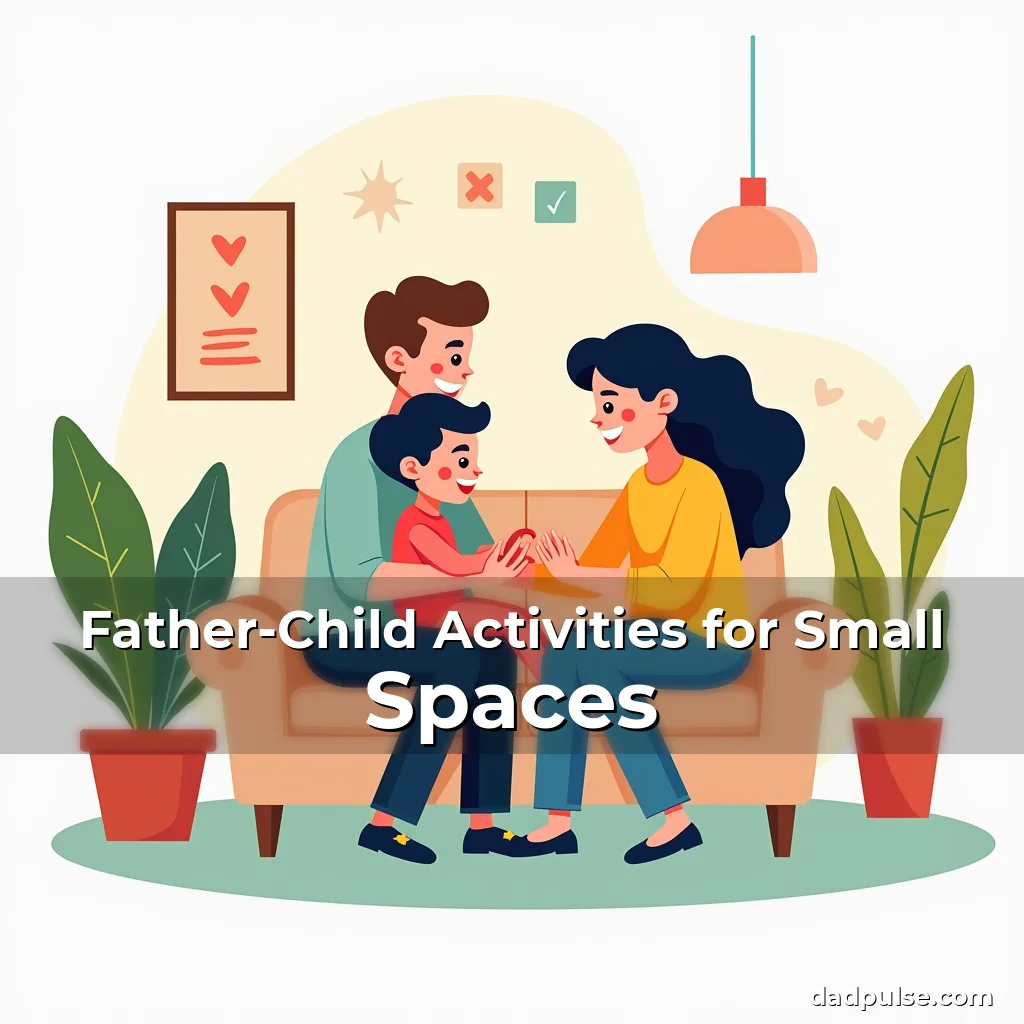
Father-Child Activities for Small Spaces
In today’s fast-paced world, fathers often find themselves juggling work commitments, household responsibilities, and personal time. For dads who live in apartments, small homes, or simply have limited space available, finding meaningful father-child activities can feel challenging. However, these constraints don’t need to limit quality bonding experiences—creative approaches can transform even the smallest spaces into hubs of fun and connection.
The key lies in prioritizing quality over quantity. Whether you’re working from home, waiting for school pickup, or simply seeking ways to engage your child during downtime, there are countless options that require minimal equipment and maximize emotional rewards. This guide explores innovative ideas tailored specifically for fathers navigating life in compact environments.
Bonding Through Creative Play
Creative play offers an excellent way to connect while using little to no space. Simple toys like building blocks or art supplies can spark imagination and foster problem-solving skills. These activities encourage collaboration as both parent and child explore new creations together.
Even without elaborate setups, imaginative scenarios such as pretending to be explorers discovering hidden treasures or creating a makeshift spaceship from blankets can turn any room into an adventure zone. The goal isn’t perfection but rather shared joy through spontaneous creativity.
Dads should remember that their involvement matters most. A few minutes spent actively participating in a game significantly boosts developmental benefits compared to passive observation. Engaging fully helps build trust and reinforces positive behaviors naturally.
- Imaginative role-playing: Encourages empathy by allowing children to see situations from different perspectives.
- Sensory-based games: Using textures, sounds, and colors enhances cognitive development through hands-on learning.
Parents can also introduce simple DIY projects around the house. Repurposing old items into new toys not only saves money but also teaches resourcefulness and sustainability values early on.
Indoor Adventure Games
Transforming everyday objects into tools for indoor adventures opens up endless possibilities. From scavenger hunts where clues lead through various rooms to obstacle courses created with pillows and chairs, these activities promote physical activity within confined areas.
Mind-bending puzzles and memory challenges offer mental stimulation suitable for any age group. Incorporating elements of competition adds excitement without requiring additional space beyond what’s already present in most homes.
For older kids, strategy board games adapted for smaller playing surfaces provide intellectual engagement. Many classic titles come with flexible rule sets that allow adaptation based on available area size.
Some popular choices include simplified versions of chess played on half-sized boards or card games designed explicitly for quick gameplay sessions. These options ensure entertainment doesn’t take over entire living quarters.
Leveraging Technology Thoughtfully
While digital devices might seem counterintuitive for promoting face-to-face interaction, they can actually enhance traditional play when used intentionally. Educational apps focused on math problems or language learning provide structured yet interactive experiences beneficial for young minds.
Videos featuring storytelling animations or science experiments become valuable resources when combined with discussion prompts initiated by parents. This approach turns screen time into teachable moments rather than mere distraction.
Video calls with extended family members create opportunities for virtual playdates or storytime readings, maintaining social connections despite geographical distances. Limiting usage duration ensures technology remains a supplement rather than replacement for real-world interactions.
Interactive whiteboards installed near windows enable drawing sessions that double as sunlit art displays. Such features blend modern convenience with creative expression seamlessly integrated into daily routines.
Physical Fitness Fun at Home
Home workouts don’t have to mean intense gym-style regimens; playful exercises make fitness enjoyable for both ages involved. Obstacle courses made from furniture pieces challenge coordination while providing laughter-filled exercise sessions.
Yoga-inspired stretching routines tailored for younger participants incorporate animal poses and silly movements making them appealing to children who might otherwise resist formal exercise programs.
Simple dance parties set to favorite songs convert regular chores like cleaning up toys into energetic events. Timing music changes according to task completion keeps motivation high throughout activities.
Family sports nights featuring mini-games like beanbag tosses or balloon volleyball utilize existing household items creatively. These low-cost alternatives maintain competitiveness without needing dedicated recreational facilities nearby.
Learning Through Everyday Experiences
Hands-on learning experiences embedded in routine tasks help reinforce academic concepts organically. Measuring ingredients while baking introduces basic mathematics principles in practical contexts rather than abstract classroom settings.
Observing weather patterns outside becomes part of natural science education whenever possible. Discussing cloud shapes or tracking rainfall amounts integrates scientific inquiry into casual conversations effortlessly.
Kitchen chemistry experiments involving safe substances like vinegar and baking soda demonstrate chemical reactions visually stimulating enough to capture attention spans easily distracted by other stimuli.
Storytelling sessions inspired by personal memories cultivate literacy skills simultaneously strengthening familial bonds through shared narratives passed down across generations.
Nurturing Emotional Intelligence
Emotional intelligence develops best through consistent modeling behavior coupled with open dialogue about feelings experienced daily. Parents initiating discussions about emotions encountered during playtimes lays foundation for future interpersonal relationships.
Role-playing scenarios teaching conflict resolution strategies prepares children emotionally before facing similar situations independently later in life. Practicing active listening techniques during these exercises promotes better communication habits overall.
Keeping emotion charts visible reminds everyone about acceptable expressions matching each feeling category represented graphically. This visual aid supports recognition efforts especially helpful when verbal articulation proves difficult initially.
Encouraging journaling practices allows private reflection periods following particularly impactful interactions which may contain sensitive topics better addressed away from immediate pressure points.
Establishing Family Routines
Predictability brings comfort necessary for healthy childhood development. Establishing morning rituals centered around breakfast preparation creates structure while still allowing flexibility depending upon individual needs arising unexpectedly.
Afternoon wind-down activities preceding bedtime establish clear transitions between daytime energy levels and nighttime rest requirements effectively managing behavioral expectations consistently maintained over time.
Weekend traditions focusing on outdoor excursions whenever feasible balance indoor-bound limitations appropriately ensuring variety prevents monotony creeping into schedules prematurely.
Adapting seasonal celebrations within spatial boundaries maintains cultural awareness without sacrificing participation rates typically associated with larger gatherings usually held elsewhere.
Conclusion
Fathers everywhere—from cramped city apartments to suburban houses—can enjoy fulfilling father-child activities regardless of how much physical space they possess. By embracing inventive solutions and valuing presence above possessions, meaningful connections flourish naturally amidst ordinary circumstances.
The essence of great parenting lies not in grand gestures alone but rather sustained commitment towards nurturing growth through intentional actions taken regularly despite external conditions sometimes seeming restrictive initially perceived obstacles.

news is a contributor at DadPulse. We are committed to providing well-researched, accurate, and valuable content to our readers.